From the moment I arrived in Thailand, the bustling street stalls won my heart. The sizzling sounds, the tantalizing aromas, and the array of vibrant dishes like pad thai, banana roti, and sweet pancakes created a feast for the senses. But amidst all the flavorful options, the pad see ew recipe stood out as a true comfort dish. Its rich flavor, bold textures, and comforting warmth made it the one I kept returning to-especially after long nights exploring the buzzing night markets. It felt like a warm hug on a plate. From my first bite in Thailand, this pad see ew recipe became my go-to, bold, savory, and comforting, like a warm hug after a night out.
At the heart of the pad see ew recipe are its thick, chewy rice noodles, slightly charred for that perfect smoky finish. Unlike thinner noodles or glass varieties, these wide rice noodles absorb every bit of the savory soy sauce blend, resulting in a deep, umami-packed flavor. There’s a clear Chinese influence in its preparation, especially noticeable in the wok-fired aroma, yet the dish maintains a distinctly Thai identity. It’s a perfect blend of tradition, technique, and taste.
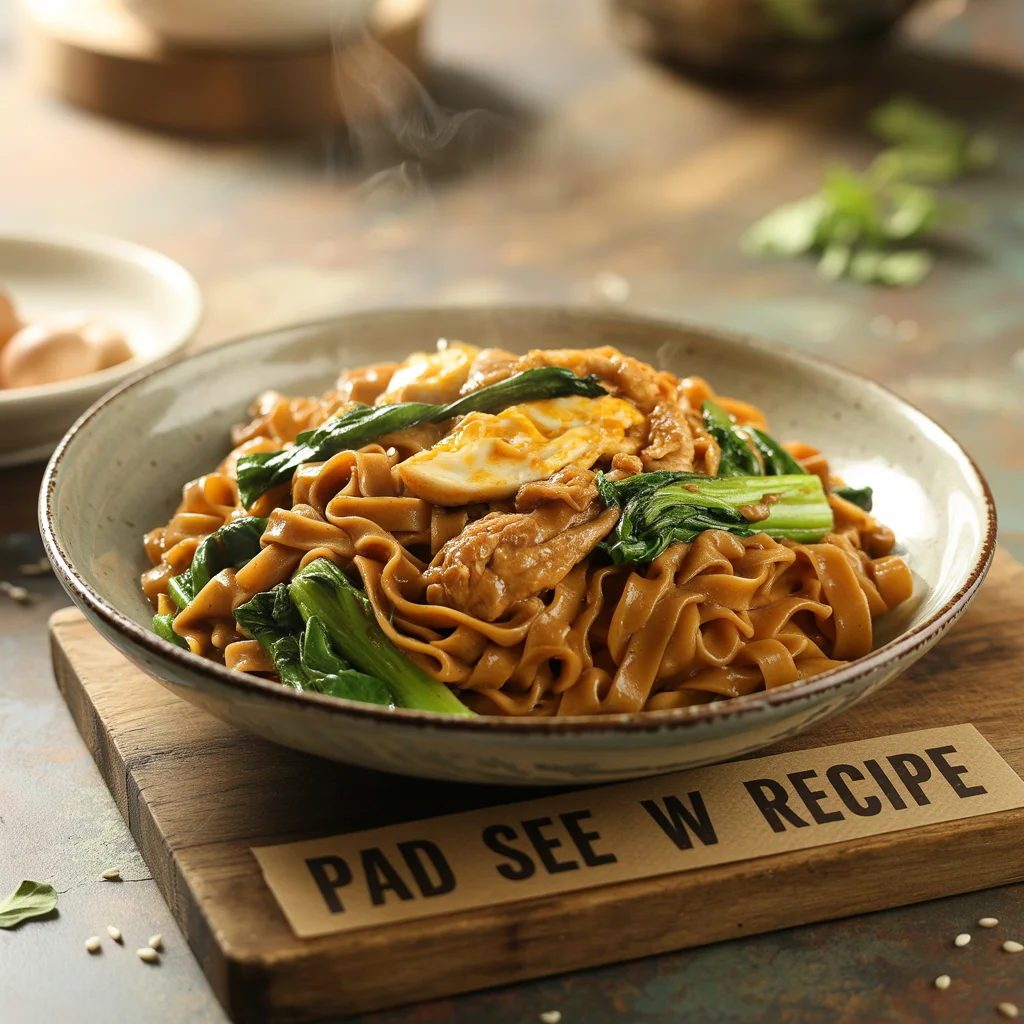
While pad see ew recipe can be found in restaurants worldwide, nothing compares to watching it being cooked fresh at a Thai street stall. The sizzle of the wok, the burst of vibrant green vegetables, and the glossy dark sauce coating every noodle are a visual and sensory treat. Simple ingredients like garlic, egg, and greens combine in such a way that the result feels almost magical. This street food favorite is as loved by locals as it is by tourists, and for good reason- it’s comfort, flavor, and authenticity in every bite.
If you’re just diving into Thai cuisine, the pad see ew recipe is a fantastic starting point. It’s simpler than pad Thai, quicker than tom yum soup, and doesn’t require hard-to-find ingredients. With just the right balance of soy sauce, garlic, and a touch of char, it offers big flavor with minimal fuss. Once you try making it at home, you’ll probably understand its popularity probably ditch the takeout. It’s the kind of dish that turns home cooks into proud street food chefs.
What Is Pad See Ew?
Pad See Ew recipe (ผัดซีอิ๊ว) translates to “stir-fried soy sauce noodles” in Thai. It’s a popular street food dish that combines wide rice noodles with a savory soy-based sauce, Chinese broccoli, and a choice of protein, often chicken, beef, or tofu. The dish is known for its balance of flavors-salty, slightly sweet, and umami-rich-and its distinctive smoky aroma achieved through high-heat stir-frying.
Key Characteristics:
- Noodles: Wide rice noodles (sen yai) that are chewy and absorbent.
- Sauce: A blend of light and dark soy sauces, sometimes with a touch of sugar.
- Vegetables: Chinese broccoli (gai lan) adds a slight bitterness and crunch.
- Protein: Commonly includes chicken, beef, pork, or tofu.
- Cooking Technique: High-heat stir-frying to achieve a slight char and smoky flavor.
Key Ingredients You’ll Need
To prepare an authentic Pad See Ew, gather the following ingredients:
Essential Ingredients:
| Ingredient | Description |
| Wide Rice Noodles | Preferably fresh sen yai noodles; dried wide rice noodles as an alternative. |
| Light Soy Sauce | Provides saltiness; regular soy sauce can be used. |
| Dark Soy Sauce | Adds color and a hint of sweetness. |
| Garlic | Minced; adds aromatic depth. |
| Chinese Broccoli | Also known as gai lan, offers a crunchy texture. |
| Eggs | Lightly beaten; adds richness. |
| Protein | Chicken, beef, pork, or tofu, sliced thinly. |
| Oil | High smoke point oil, like vegetable or peanut oil, for stir-frying. |
Optional Additions:
- Oyster Sauce: Adds umami depth; omit for a vegetarian version.
- White Pepper: For a subtle heat.
- Sugar: Balances the saltiness of the soy sauces.
Where to Buy Thai Rice Noodles
Finding the right noodles is crucial for Pad See Ew. Fresh wide rice noodles (sen yai) are ideal, but dried versions can also work.
Where to Find:
- Asian Grocery Stores: Often carry fresh or dried wide rice noodles.
- Online Retailers: Websites like Amazon offer brands such as Taste of Thai and Lotus Foods.
- Specialty Stores: Some health food stores stock gluten-free rice noodles suitable for this dish.
Tips:
- If using dried noodles, soak them in warm water until pliable before cooking.
- Avoid overcooking to maintain the desired chewy texture.
Step-by-Step Pad See Ew Recipe (Authentic Method)
Creating Pad See Ew at home involves a few key steps to achieve the authentic flavor and texture.
Ingredients:
- 8 oz wide rice noodles
- 2 tablespoons light soy sauce
- 1 tablespoon dark soy sauce
- 1 teaspoon sugar
- 2 cloves garlic, minced
- 1 cup Chinese broccoli, chopped
- 2 eggs, lightly beaten
- 6 oz protein of choice, thinly sliced
- 2 tablespoons oil for frying
Instructions:
- Prepare Noodles: If using dried noodles, soak them in warm water until soft, then drain.
- Mix Sauce: Combine light soy sauce, dark soy sauce, and sugar in a bowl.
- Cook Protein: Heat 1 tablespoon of oil in a wok over high heat. Add protein and stir-fry until cooked through. Remove and set aside.
- Sauté Garlic: Add remaining oil to the wok. Sauté minced garlic until fragrant.
- Add Noodles: Add noodles to the wok, pour in the sauce, and stir-fry to coat evenly.
- Add Vegetables: Toss in Chinese broccoli and cook until just tender.
- Add Eggs: Push noodles to one side, pour beaten eggs into the space, scramble, then mix with noodles.
- Combine: Return cooked protein to the wok, mix everything thoroughly, and stir-fry for another minute.
- Serve: Plate the Pad See Ew recipe and serve hot.
Customizing Your Pad See Ew
Pad See Ew recipe is versatile and can be tailored to suit various dietary preferences and ingredient availabilities.
Protein Variations:
- Chicken: Thinly sliced breast or thigh meat.
- Beef: Tender cuts like sirloin, sliced thinly.
- Pork: Lean cuts, thinly sliced.
- Tofu: Firm tofu, pressed and cubed; ideal for a vegetarian option.
Vegetable Additions:
- Bell Peppers: For sweetness and color.
- Carrots: Julienned for crunch.
- Mushrooms: Add umami flavor.
- Baby Corn: For texture and sweetness.
Spice Level:
- Mild: Stick to the basic recipe.
- Medium: Add a pinch of white pepper.
- Spicy: Include sliced chili peppers or a dash of chili sauce.
Is Pad See Ew Vegan or Vegetarian?
Traditional Pad See Ew contains animal products, but it can be adapted for vegan or vegetarian diets.
Modifications:
- Omit Eggs: Leave out eggs or use plant-based egg substitutes.
- Replace Protein: Use tofu or tempeh instead of meat.
- Sauce Adjustments: Use mushroom soy sauce or other vegan alternatives instead of oyster sauce.
Vegan Sauce Recipe:
- 2 tablespoons light soy sauce
- 1 tablespoon dark soy sauce
- 1 teaspoon sugar
- 1 teaspoon mushroom soy sauce
Mix these ingredients to create a flavorful vegan sauce for your Pad See Ew.
Tips for Cooking with a Wok at Home
Achieving the signature smoky flavor of Pad See Ew requires high-heat cooking, traditionally done in a wok.
Wok Cooking Tips:
- Preheat Properly: Ensure the wok is hot before adding ingredients to prevent sticking.
- Use High Smoke Point Oil: Oils like peanut or vegetable oil are ideal.
- Cook in Batches: Avoid overcrowding to maintain high heat and achieve proper searing.
- Stir Constantly: Keep ingredients moving to cook evenly and prevent burning.
How to Store and Reheat Pad See Ew
Proper storage and reheating preserve the quality of leftover Pad See Ew.
Storage:
- Refrigeration: Store in an airtight container for up to 3 days.
- Freezing: Not recommended, as rice noodles can become mushy upon thawing.
Reheating:
- Stovetop: Reheat in a wok or skillet over medium heat with a splash of water or oil.
- Microwave: Place in a microwave-safe container, cover loosely, and heat until warmed through, stirring halfway.
Common Mistakes to Avoid When Making Pad See Ew
Making Pad See Ew at home is simple, but there are a few pitfalls that can affect the flavor and texture of your dish. From over-soaking noodles to using the wrong type of soy sauce, small missteps can make a big difference. Avoiding these common mistakes ensures your Pad See Ew turns out just as rich, smoky, and satisfying as it does from a Thai street vendor.
Top Mistakes to Watch Out For:
- Overcooking noodles makes them mushy and clumpy.
- Using low heat prevents the signature char and smoky flavor.
- Skipping dark soy sauce: Loses authentic taste and color.
- Overcrowding the pan: Steaming instead of stir-frying ingredients.
Using the wrong noodles: Thin noodles won’t hold up well.
Pad See Ew vs Pad Thai: What’s the Difference?
While both Pad See Ew and Pad Thai are iconic Thai noodle dishes, they’re quite different in taste, ingredients, and texture. If you’ve ever wondered why one is darker and smokier while the other is tangy and peanut-forward, this section breaks it down. Knowing the difference helps you choose (or crave!) the right dish for your taste.
Key Differences:
| Feature | Pad See Ew | Pad Thai |
| Noodles | Wide rice noodles (sen yai) | Thin rice noodles |
| Flavor Base | Soy sauce (light & dark) | Tamarind paste, fish sauce, sugar |
| Texture | Chewy, slightly charred | Light, slightly sticky |
| Common Protein | Beef, chicken, tofu | Shrimp, chicken, tofu |
| Toppings | Simple, egg, Chinese broccoli | Peanuts, bean sprouts, lime |
Final Thoughts
Pad See Ew recipe is more than just a noodle dish- it’s a taste of Thailand’s vibrant street food culture, made from simple ingredients but rich in tradition. Whether you’re a home cook experimenting for the first time or a seasoned chef trying to replicate the perfect wok hei, this dish is a rewarding experience to master.
From the chewy, slightly charred wide rice noodles to the bold combination of light and dark soy sauces, every element works together to deliver deep, savory flavors. Its unique texture and smokiness set it apart from other stir-fried noodles like Pad Thai, making it a go-to comfort food for many.
Thanks to its versatility, Pad See Ew recipe can be customized to suit any dietary preference- vegan, vegetarian, or meat-loving. With a few pantry staples and the right technique, you can cook up a dish that tastes like it came straight from a Bangkok street vendor.
What makes the Pad See Ew recipe special is how accessible and quick it is to prepare. In under 30 minutes, you can bring together ingredients that satisfy the palate and offer a taste of Southeast Asian culinary brilliance.
FAQs
What kind of noodles are used in Pad See Ew?
Pad See Ew recipe uses wide, flat rice noodles known as Sen Yai in Thailand. These noodles soak up the soy-based sauce beautifully and deliver that perfect chewy texture with a slight char when cooked properly in a hot wok.
Can Pad See Ew be made gluten-free?
Yes, it can be made gluten-free by using gluten-free soy sauce or tamari and ensuring the rice noodles are certified gluten-free. Always check labels for hidden gluten, especially in sauces like oyster sauce, if you’re using it in your recipe.
How is Pad See Ew different from Pad Thai?
Pad See Ew recipe is darker, smokier, and uses soy sauce as the base, while Pad Thai has a sweet-tangy flavor from tamarind and fish sauce. The noodle type, toppings, and cooking method also vary significantly between the two dishes.
What protein works best in Pad See Ew?
Traditionally, beef or chicken is used, but tofu is an excellent plant-based option. Shrimp also works well. The key is to cook the protein separately to ensure it’s properly browned and not overcooked when stir-fried with the noodles.
How do I store and reheat leftover Pad See Ew?
Store leftovers in an airtight container in the fridge for up to 3 days. To reheat, use a nonstick skillet with a splash of water or oil over medium heat. This prevents the noodles from drying out and helps maintain their chewy texture.