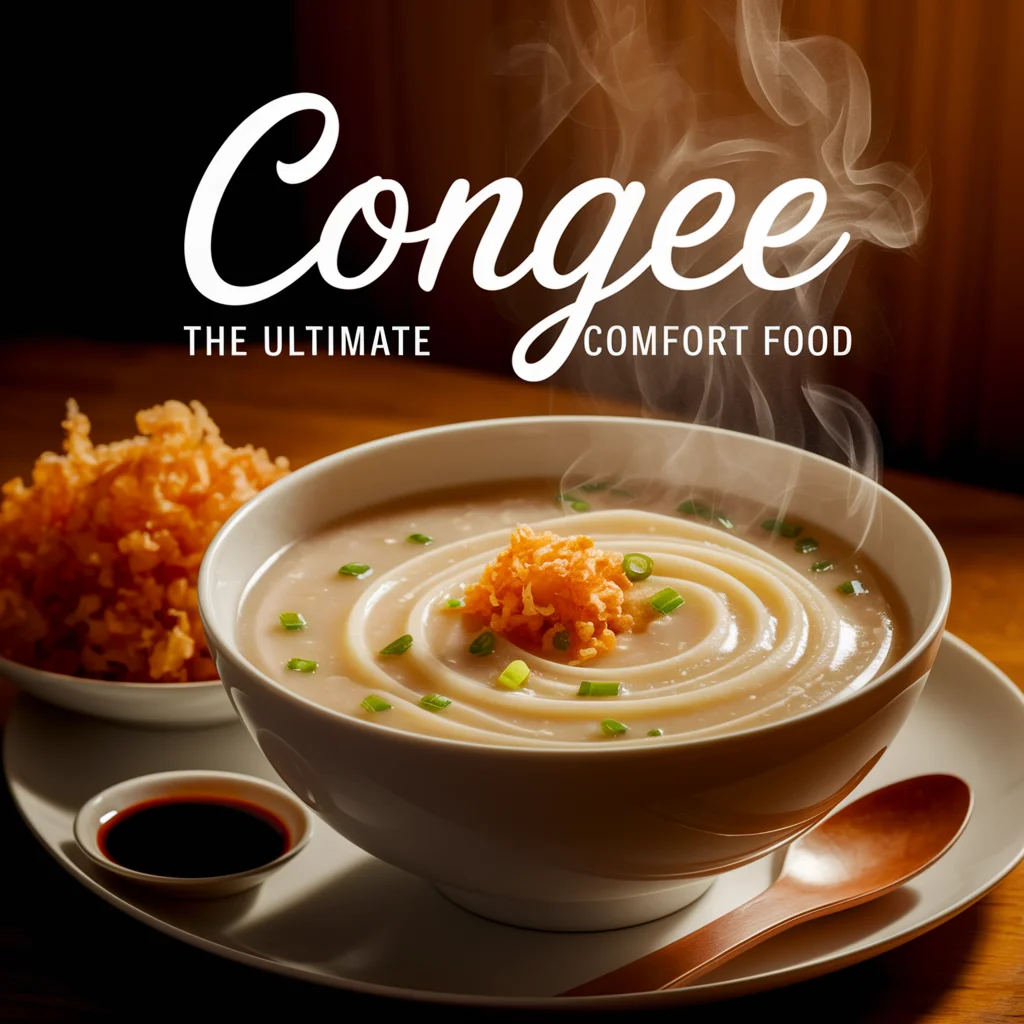
Congee, also known as Chinese rice porridge or jook, is a comforting dish that many people enjoy worldwide. It’s made with rice that breaks down into a pudding-like consistency when cooked in water, offering a smooth, easily digested meal. This dish is cherished for its simplicity and versatility. Whether enjoyed as a savory breakfast or a soothing remedy for illness, congee is loved for its ability to bring comfort with congee recipe in many situations. I enjoy a bowl of hot steaming congee on chilly mornings or whenever I’m feeling a bit under the weather.
Congee is made from basic ingredients like rice and water, and it’s incredibly easy to prepare. When you combine the rice with water and let it cook, you get a comforting meal that’s simple yet fulfilling. Growing up, I remember my mum making this dish for me whenever I wasn’t feeling well. The soothing warmth of congee, especially with the addition of ginger, helps with digestion and brings warmth to the body. The texture of congee can be adjusted depending on preference can be thickened for a pudding-like consistency or left more watery for a lighter meal. It’s no surprise that congee is often used to nourish people recovering from illness or simply seeking comfort.
When served, congee feels like a warm hug from your family. It’s a dish that’s often shared with loved ones, making it the perfect meal to enjoy together. In many Chinese households, congee is a popular breakfast dish but is also appreciated at any time of day. Some even consider it a helpful remedy for hangovers or a recovery dish for those feeling unwell. It’s the perfect way to start the day or share after a long, tiring night.
When to Eat Congee: A Dish for Every Occasion
Congee is one of those dishes that can be enjoyed anytime, depending on the occasion and your mood. Here are some great times to serve this comforting meal:
Breakfast
In many Asian cultures, congee is commonly eaten for breakfast. Its light yet filling nature makes it the perfect way to start the day. The smooth texture helps wake up the digestive system gently, making it a good option for those who prefer a softer start to their meals. Top it with your favorite toppings, and you have a nutritious, warming breakfast.
When You’re Feeling Unwell
One of the reasons congee is so beloved is that it’s easy to digest. The rice breaks down into a soft porridge, making it a great choice for those who are feeling under the weather. It’s often served as a soothing remedy for stomach issues, flu, or cold. Whether you’re battling a fever or just feeling run down, a hot bowl of congee can provide comfort and nourishment.
Any Time of the Day
The versatility of congee extends beyond breakfast or illness. You can enjoy it as a light lunch or dinner. It’s easy to customize based on what you’re craving- add meat, vegetables, or simply enjoy it plain with some soy sauce. In fact, in many Chinese households, congee is eaten at any time of day, especially when shared with family and friends.
Post-Party Recovery
Did you know that congee is also considered a great hangover cure? The dish is known for being light on the stomach while offering hydration and nutrition. Some variations of congee, like chicken or pork, offer a great balance of protein and carbs, making it an ideal recovery meal after a long night.
How to Make Basic Congee: The Simple Comfort
Making congee is surprisingly simple. The ingredients are basic, but the result is a soothing, filling meal. Here’s a step-by-step guide to making the most basic congee recipe:
Ingredients:
- 1 cup of jasmine rice
- 6-8 cups of water or chicken stock
- Pinch of salt
Instructions:
- Rinse the Rice: Start by rinsing the rice under cold water to remove any excess starch. This helps create a smoother consistency.
- Cook the Rice: In a large pot, add the rinsed rice and water (or stock). Bring to a boil, then reduce the heat to low. Allow the rice to cook for about 1-2 hours, stirring occasionally.
- Check the Consistency: As the rice cooks, it will break down and thicken. Keep stirring and add more water or stock if you prefer a thinner porridge.
- Seasoning: Once the rice has broken down and the texture is to your liking, season with a pinch of salt or soy sauce.
- Serve: Congee is typically served with a variety of toppings such as ginger, green onions, and soft-boiled eggs.
This basic recipe can be easily modified based on your taste preferences. Let’s explore how you can level up your congee with chicken!
How to Make Chicken Congee: A Hearty Variation
Adding chicken to congee not only adds flavor but also makes it more filling. Here’s how you can make a comforting chicken congee:
Ingredients:
- 1 cup jasmine rice
- 6 cups chicken stock
- 2 chicken breasts (boneless, skinless)
- 3-4 slices of fresh ginger
- 2 cloves of garlic, minced
- 1 tablespoon of soy sauce
- 2-3 stalks of spring onions, chopped
- Salt to taste
Instructions:
- Cook the Chicken: Start by poaching the chicken in the chicken stock. Bring the stock to a boil, add the chicken breasts, and simmer until the chicken is cooked through (about 20 minutes). Remove the chicken and shred it into bite-sized pieces.
- Make the Congee: Follow the steps from the basic recipe to cook the rice in the chicken stock. Add the ginger and garlic to the pot while the rice is cooking. The ginger adds warmth and aids digestion.
- Combine: Once the rice is soft and the porridge has thickened, add the shredded chicken back into the pot along with soy sauce and a pinch of salt. Stir to combine.
- Garnish: Serve with fresh spring onions, and feel free to top with soft-boiled eggs, peanuts, or additional soy sauce.
Benefits of Chicken Congee
- Protein: Adding chicken makes the dish a more complete meal.
- Comforting: The warmth of the chicken stock combined with the softness of the rice makes it incredibly comforting.
- Easy on the Stomach: Perfect for anyone recovering from illness.
Key Ingredients for Congee: What You Need to Know
Congee is an extremely versatile dish, and its flavor is deeply influenced by the ingredients you choose. Here are some key ingredients you’ll often find in congee:
Jasmine Rice
- Why Use Jasmine Rice?: Jasmine rice has a fragrant aroma and a soft texture, which makes it perfect for creating that signature creamy consistency in congee. It also has a slightly sticky nature, which helps the rice break down smoothly when cooked.
Fresh Ginger
- The Health Benefits: Ginger has long been used in traditional medicine for its anti-inflammatory and digestive benefits. Adding fresh ginger to congee enhances its soothing properties, making it a great addition when you’re feeling under the weather.
Chicken Stock
- Rich and Flavorful: Using chicken stock instead of water adds a rich, savory base to your congee. It deepens the flavor and makes the dish even more nourishing.
Garlic
- Flavor Depth: Garlic adds a subtle yet distinctive flavor to congee, balancing out the mildness of the rice.
Soy Sauce
- Seasoning: A dash of soy sauce enhances the dish’s umami flavor, giving it more depth without overpowering the natural flavors of the rice and chicken.
Spring Onions
- Fresh Garnish: Chopped spring onions bring a touch of freshness and a mild onion flavor that complements the savory elements of the dish.
Peanuts and Soft-Boiled Eggs
- Toppings: Peanuts add a crunchy texture, while soft-boiled eggs add richness and protein. Both are popular toppings in various congee recipes.
What If I Don’t Have a Slow Cooker?
No slow cooker? No problem! You can still make congee using your stovetop or an Instant Pot. Here’s how:
Stovetop Method
- Follow the same process as the basic recipe but cook over low heat for 1-2 hours, stirring occasionally. The stovetop method gives you more control over the texture, so you can adjust it to your liking.
Instant Pot Method
- Use the rice setting on your Instant Pot, and cook the rice for 15-20 minutes. Add more water if you want a thinner consistency. The Instant Pot is a great way to make congee in a fraction of the time without compromising flavor.
What Else Can I Add to Congee?
Congee is incredibly customizable. Here are some delicious ingredients you can add to elevate your congee:
Vegetables
- Carrots, spinach, or mushrooms can be added to enhance flavor and nutrition.
Proteins
- Shrimp, pork, or tofu are all excellent additions to congee. These proteins can give you extra flavor and texture.
Spices
- Add cinnamon, star anise, or cardamom for a more fascinating flavor profile.
Toppings
- Customize with chili oil, sesame oil, or fried shallots for added texture and flavor.
Final Thoughts
Congee is not just a meal- it’s a comforting experience that has been cherished for centuries. Whether you enjoy it in its simplest form or enhance it with meats, vegetables, and various seasonings, congee offers a world of flavors and textures to explore. The beauty of congee lies in its versatility and adaptability. It can be a quick, simple breakfast or a nourishing dinner when you need something soothing and easy to digest.
What truly makes congee stand out is its ability to be modified according to your taste preferences, diet, and even health needs. By incorporating fresh ingredients like ginger, garlic, chicken, and spring onions, you can enjoy a dish that not only warms the soul but also provides a variety of essential nutrients. Congee is the ideal comfort food because it’s so simple to prepare yet filled with layers of flavor and nourishment.
It’s also a dish that brings people together. Whether you’re sharing a bowl with loved ones at breakfast or making it for someone unwell, congee has a communal, familial quality. It’s the kind of dish that’s perfect for bonding over, as everyone can add their favorite toppings and adjust the seasonings to suit their tastes.
FAQs
What is the best type of rice to use for congee?
The best rice to use for congee is jasmine rice. Its fragrant aroma and slightly sticky texture help create a smooth and creamy consistency.
Can I make congee ahead of time?
Yes, you can make congee ahead of time. Store it in an airtight container in the fridge for up to 3 days. Simply reheat with a bit of water or stock to achieve the desired consistency.
How do I make congee thinner or thicker?
To make congee thinner, add more water or stock while cooking. For a thicker texture, reduce the liquid or cook the rice for longer until it breaks down further.
Is congee suitable for people with dietary restrictions?
Yes, congee can easily be made to suit dietary restrictions. Use vegetable stock for a vegetarian option, or skip certain ingredients like soy sauce for those with allergies or sensitivities.
Can I make congee in a slow cooker?
Yes, you can make congee in a slow cooker. Simply combine rice and liquid, set it on low, and cook for several hours until it reaches the desired consistency. Add toppings or seasonings before serving.